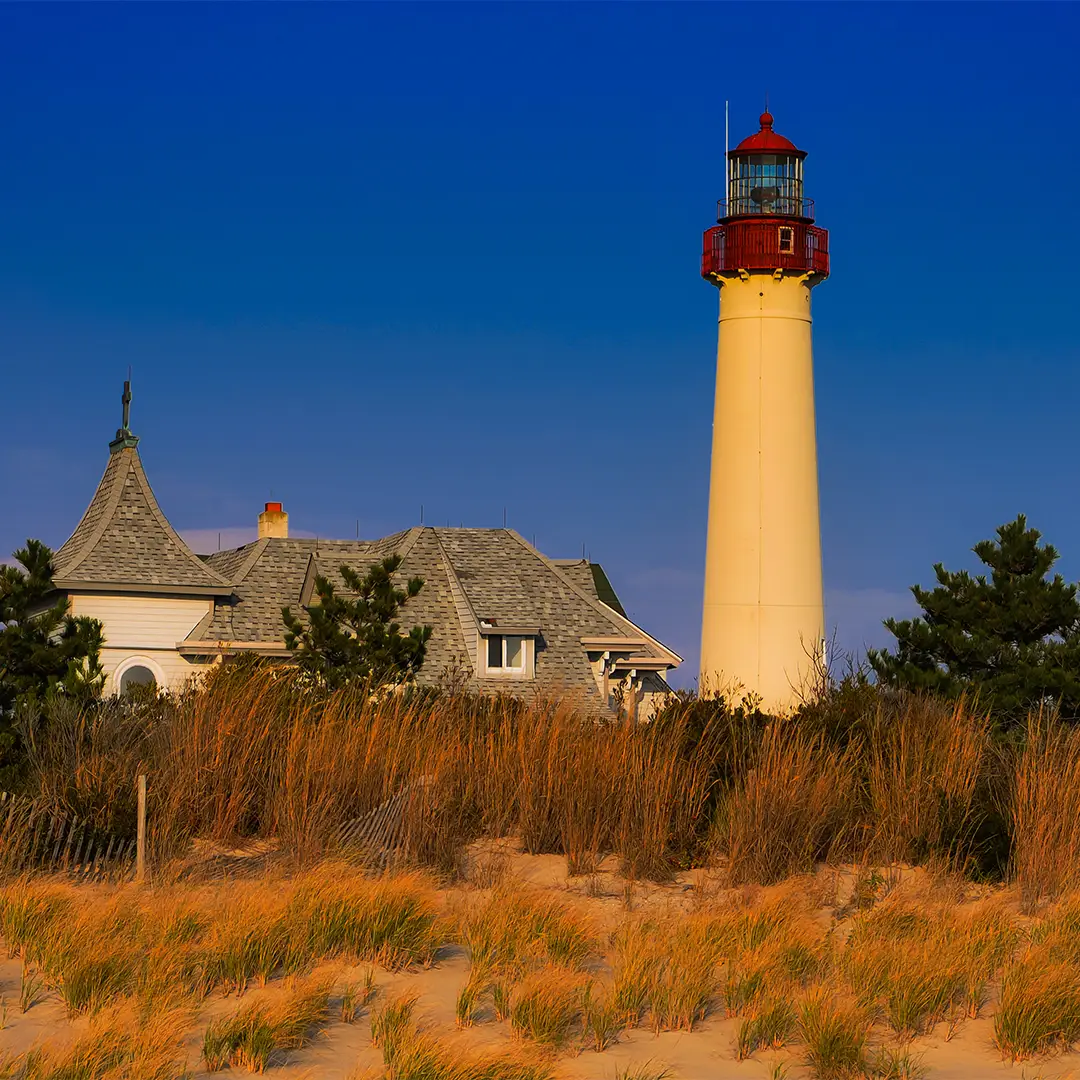
Cape May Lighthouse
10 min drive
This historic landmark provides views of the Atlantic Ocean and Delaware Bay, making it a logical stop before or after your departure.

Dolphins appear in Cape May waters on a predictable calendar, but not every month offers the same density of pods or surface activity. Understanding when bottlenose dolphins move through the Delaware Bay and Atlantic coastline—and how daily departure schedules align with their feeding patterns—turns a speculative outing into a reliable encounter.
Quick answer
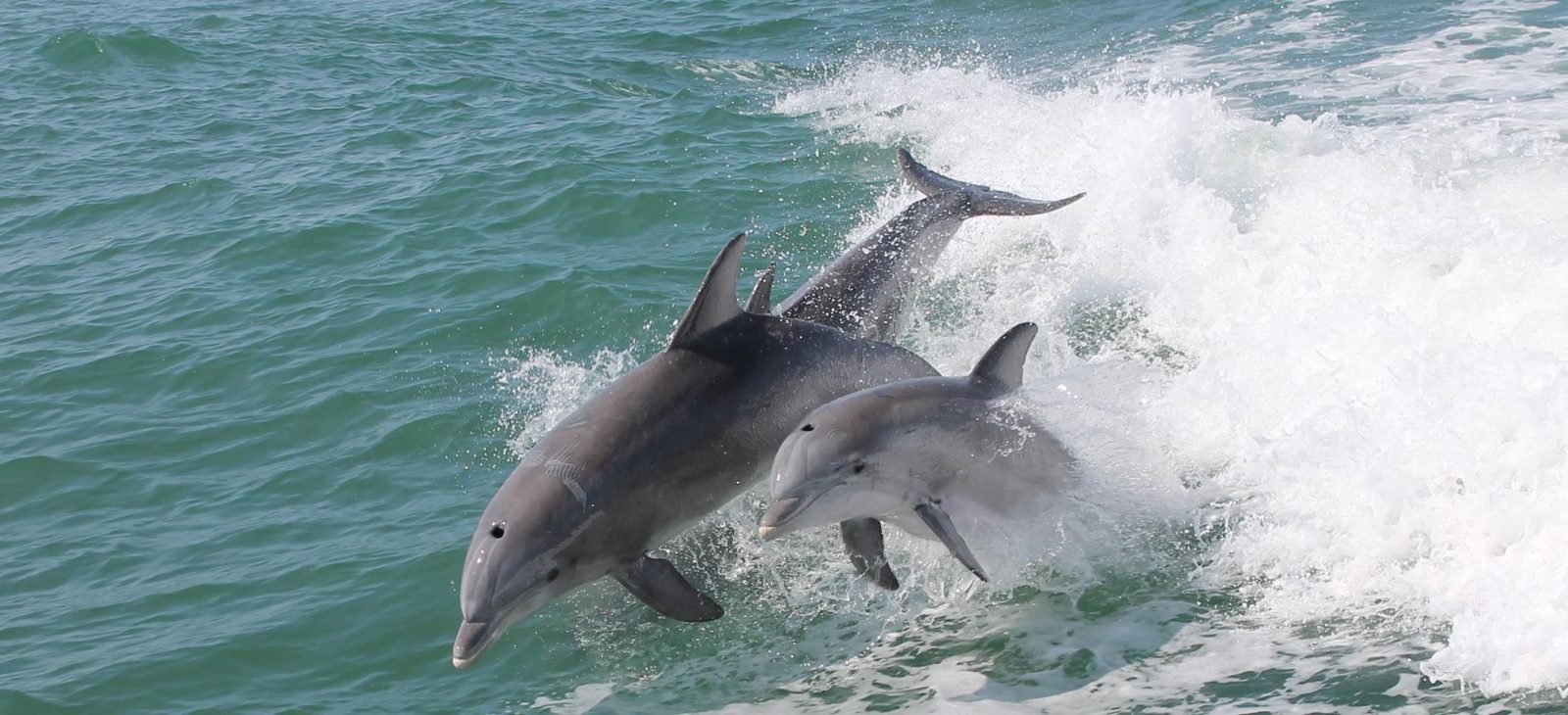
The cape may dolphin watching season runs from early May through late October, with peak sightings concentrated between June and September when water temperatures exceed 65°F and baitfish schools draw bottlenose dolphins into nearshore feeding grounds. Most operators sail daily at 09:00, with additional afternoon departures during July and August to accommodate higher summer demand and extended daylight hours.
Bottlenose dolphins follow the mid-Atlantic baitfish migration with mechanical precision, arriving in Cape May waters as soon as spring water temperatures cross the 60-degree threshold and departing when autumn cooling sends their prey south. The cape may dolphin watching season opens in early May, but sightings remain sporadic until late June when mullet, menhaden, and bunker schools mass along the shoals where Delaware Bay meets the Atlantic. By July, pod activity peaks—groups of eight to fifteen dolphins hunt cooperatively in the shallow troughs off Sunset Beach and the Rips, often visible from shore. Cruise operators schedule departures to match this behavior. Morning sails between 09:00 and 10:00 intercept dolphins during their first feeding push of the day, when surface breaches and tail slaps are most frequent. Afternoon trips—typically 14:00 and 16:00 in midsummer—catch the secondary feeding window as outgoing tides concentrate baitfish near channel edges. Late-season cruises in September and early October offer calmer seas and smaller crowds, though dolphins begin their southward drift by mid-October as water temperatures drop below 62°F. Weather and tide govern sighting probability as much as the calendar does. Southwest winds flatten the ocean and push baitfish toward the coast, improving visibility and drawing dolphins within a mile of the jetties. Spring tides—occurring during new and full moons—amplify current speed and funnel prey into predictable corridors that experienced captains target. August delivers the highest statistical success rate, but early-season and late-season sailings often produce closer encounters because competitive pressure from other boats remains low. Reservations open in March for the May-through-October window, and weekend morning slots in July and August typically fill by mid-June. Weekday departures and shoulder-season dates remain available closer to sail time, offering flexibility for travelers who prioritize marine mammal activity over crowd avoidance.
“Bottlenose dolphins follow the mid-Atlantic baitfish migration with mechanical precision, arriving as soon as spring water temperatures cross the 60-degree threshold.”
The Cape May dolphin watching season runs from March through December, with the period from June to August representing the peak of visitor activity. To maximize sighting opportunities and avoid peak crowds, the best arrival window is 09:00–17:00.
Cooler, 50°F–70°F. Activity begins as waters warm.
Warm, 75°F–85°F. Peak season for dolphin sightings and activity.
Mild to cold, 40°F–70°F. Final departures occur before seasonal closure.
—. Off-peak times provide better visibility conditions.
Verdict: For the best experience, plan your trip for a weekday morning in June or September within the 09:00–17:00 arrival window.
These itineraries coordinate departure times with check-in windows and on-site logistics. Each cruise spans two to three hours; add 15 minutes for pre-boarding check-in.
Check in at the Cape May Whale Watch office by 09:00 for the earliest cruise slot. Morning conditions often deliver calm seas and active dolphin feeding behavior near the inlet.
Depart at 10:00 for a two-hour excursion across Delaware Bay. Naturalists provide live commentary on bottlenose dolphin pods and seasonal migratory patterns.
Return to the harbor by noon; use the midday window for lunch along the waterfront or a walk through Cape May's historic district.
Arrive 15 minutes early for the 14:30 sailing. Afternoon light improves visibility as dolphins gather near shallow feeding zones.
The final departure of the day leaves between 17:00 and 17:30, depending on daylight. Golden-hour conditions offer the best photography opportunities and cooler onboard temperatures.
Disembark by 18:00; the office closes at this time. Review sightings with crew and collect any educational materials provided during the tour.
Many visitors undermine their dolphin watching experience through poor timing or incorrect assumptions about tour types. These errors are easy to sidestep with basic planning.
Booking late afternoon departures without factoring summer beach traffic
Reserve morning slots and arrive by 09:00 when Route 109 is clearest. Late afternoon bookings risk missing departure if traffic delays your arrival.
Choosing midday tours when wind and wave action increase
Morning and late afternoon trips offer calmer seas and better dolphin visibility. Midday departures between 12:00–14:00 often face rougher conditions that reduce wildlife encounters.
Confusing dolphin-focused cruises with whale watching safaris
Dolphin tours run daily through warmer months with shorter durations, while whale safaris operate seasonally with different schedules. Confirm which cruise type matches your target species before booking.
Arriving exactly at tour departure time instead of earlier
Plan to arrive 15–20 minutes before your scheduled departure to complete check-in and board without holding the vessel. Tours depart promptly and cannot wait for late arrivals.
Assuming all cruises guarantee dolphin sightings regardless of conditions
While sightings are common, marine wildlife behavior varies with weather, sea state, and seasonal movement. No operator can guarantee encounters on every single trip.
The waters off Cape May serve as a vital ecological corridor for Atlantic bottlenose dolphins. These marine mammals exhibit complex social structures and distinct foraging behaviors that make them a subject of ongoing study.
The Atlantic bottlenose dolphin, known scientifically as Tursiops truncatus, is the most frequently observed species in the coastal waters surrounding Cape May. They are recognized by their distinct curved mouths that often appear to be smiling.
Dolphins often engage in bow-riding or wake-riding, a behavior where they position themselves in the pressure wave created by the bow of a moving vessel. This allows them to conserve energy while traveling through the water at higher speeds.
These marine mammals utilize echolocation to navigate and hunt by emitting high-frequency clicks that bounce off objects and prey. This biological sonar allows them to perceive their environment with high precision even in murky water conditions.
Bottlenose dolphins live in fission-fusion societies, meaning the size and composition of their groups change frequently. Individuals may spend time with various associates before regrouping with different pods throughout the day.
The confluence of the Delaware Bay and the Atlantic Ocean creates nutrient-rich waters that support diverse fish populations. Dolphins frequently patrol these tidal fronts to exploit the concentrated schools of fish attracted by the currents.
Adult Atlantic bottlenose dolphins typically measure between 8 and 12 feet in length. They can weigh between 400 and 1,300 pounds depending on their age, sex, and environmental factors.
Pack smart to stay comfortable on the water and maximize wildlife sightings during your cruise.
The dolphin watching departures are located at South Jersey Marina, situated along the primary corridor leading into Cape May. Visitors can easily access the site by following the main arterial roads connecting to the peninsula.
Garden State Parkway South to Route 109
Local service to 1231 Route 109
Plan your arrival within the 09:00–17:00 window to ensure optimal conditions for wildlife visibility. Ample parking is available on-site at 1231 Route 109, Cape May, NJ 08204, USA.
The ticket office is open daily to assist with your dolphin watching inquiries and reservations. We operate from 09:00 to 18:00 throughout the week.
Cape May offers several coastal landmarks that complement a dolphin watching excursion. Coordinating your visit to these sites allows you to maximize your time in the area during the recommended arrival window of 09:00–17:00.
10 min drive
This historic landmark provides views of the Atlantic Ocean and Delaware Bay, making it a logical stop before or after your departure.
12 min drive
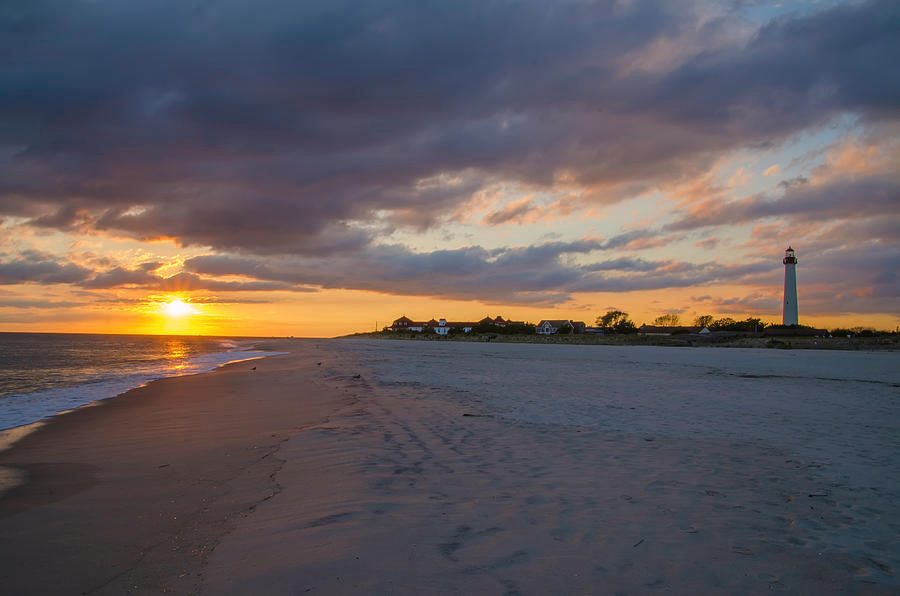
Known for its calm waters and the wreck of the SS Atlantus, this spot is located near the cruise departure point and offers a quiet atmosphere.

8 min drive
This pedestrian outdoor shopping area features local eateries and shops, serving as a central hub to visit between morning and afternoon activities.
Everything you need to know about cape may dolphin watching season
Most operators run their excursions from March through December. During this period, species migrate along the Atlantic Ocean, making sightings highly probable.
Morning trips generally offer the calmest waters, while late afternoon tours provide excellent lighting for photography. Midday departures tend to be warmer but may experience choppier sea conditions.
Most major operators offer a marine mammal guarantee. If your trip into the Delaware Bay does not spot any cetaceans, you will receive a free pass for a future cruise.
Children of all ages are welcome to view the active bottlenose dolphins during these family-friendly coastal excursions. Many vessels feature enclosed cabins and safety railings to ensure a comfortable experience.
Standard manual wheelchairs can typically be accommodated and boarded with crew assistance, depending on tide levels. However, heavy motorized chairs usually cannot be accommodated due to safety limitations.
Departures from South Jersey Marina will be rescheduled if high winds or thunderstorms make the ocean unsafe. Operators will notify booked guests and provide alternative options.
Yes, many large cruise ships feature snack bars selling light refreshments, hot dogs, and sodas. You are also welcome to bring your own light snacks on board most vessels.
Booking online ahead of time is highly recommended, especially during the peak whale watching months. While walk-up tickets may be available at the marina office, popular departure times frequently sell out.
Whale and Dolphin Tours
Read more Tickets & toursDolphin Watching Tickets
Read more Tickets & toursFerry Dolphin Watching
Read more Tickets & toursSunset Dolphin Dinner Cruises
Read more Tickets & toursCape May Dolphin Cruises
Read more Tickets & toursDolphin Boat Tours
Read more